“In This Sign Conquer “– Military chaplaincy, Britain and Ukraine

Organised religion and artificial intelligence
In a secular age where many people have little contact with organised religion and where Artificial Intelligence is developing counselling algorithms, some are questioning the relevance of the chaplain’s department in the British army, Royal Navy and RAF. There has even been a suggestion that their services can be replaced by an “APP”.
In the present war in between Russia and Ukraine, the value of the work done by chaplains has been appreciated Ukrainian commanders who welcome the chaplains and consider them an essential part of the team. The General Staff of the army of the Ukraine reported “Chaplains are considered a critical capability by their commanders.”
The ministry of presence
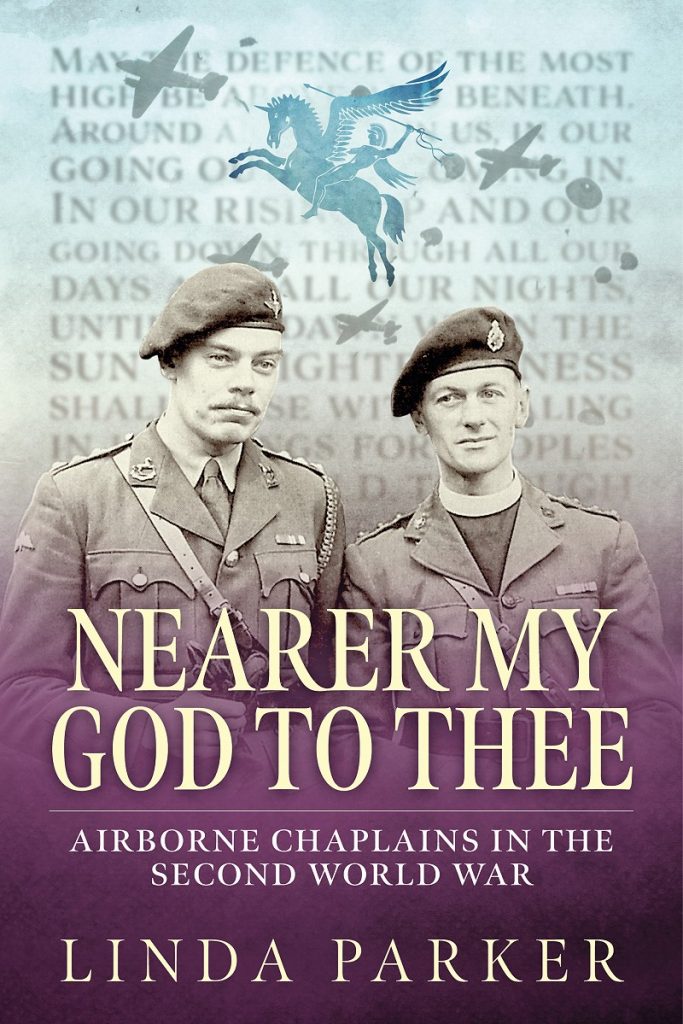
British Military chaplains have exercised what they describe as a “ministry of presence” in the armed forces for many centuries, spanning all the major wars, most recently in Iraq and Afghanistan. This ministry encompasses being a spiritual and material support in the front line of battle, taking services in foxholes and being with the men and women who are fighting at every step of the way. A good chaplain is welcomed by his troops in battle. Paul Abrahams, an airborne padre summed up this ministry of presence: “War is a vile business, and the chaplain is a key man in ensuring that soldiers retain their humanity, but to do this he must be with them.” The wars of the 21st Century have given every opportunity for the ways in which chaplains can be of relevance in modern warfare. The fact that they are unarmed and still faced the dangers of IEDs and patrols in hostile territory was appreciated and encouraged mutual trust.
The wealth of experience developed in chaplaincy in action and at home bases has proved invaluable since the conflict in Ukraine began, as the British chaplaincy services have offered help and advice to the Ukrainian army in building up their chaplaincy service since the beginning of the war. The Ukrainian army has experienced the whole range of warfare, from first word war trench like conditions to the use of hyper sonic missiles, drones and artificial intelligence targeting of military objectives.
Operation Orbital and Operation Interflux
As part of Operation Orbital and then 0peration Interflux, Ukrainian military chaplains have been training with the U.K armed forces chaplains to help them improve their chaplaincy skills as they serve the Ukrainian armed forces in their battles against Russia.
In 2023 Ukrainian chaplains took part in a 2-week training exercise based near Warminster. They received training in all aspects of chaplaincy and discussed spiritual support and the necessity of giving moral guidance and leadership to troops and commanders.
This year in May a group of Ukrainian chaplains visited the Armed Forces Chaplaincy Centre at the Defence Academy, Shrivenham for a similar course and once again considered how best to promote the spiritual moral and mental health of their men and women. This year’s group presented to Beckett House a beautiful Icon which takes pride of place. UKINFORM , the Ukrainian national news agency reported comments from the Ukrainian General staff explaining that the course at the Defence Academy was a follow-up to the professional training of military chaplains who had completed an eight-week training course for tactical-level officers in military chaplaincy at the Military Institute of the Taras Shevchenko National University in Kyiv, and were also trained at the base of the U.S. 7th Training Army in Germany.
The cutting edge of military chaplaincy training
The chaplaincy centre at Beckett house is at the cutting edge of military chaplaincy training, with instructors form the Army, Navy and, RAF building on long established traditions to establish modern methods of competency and professionalism in the Chaplains’ Departments.
The military chaplains have not yet got up to strength and full capacity for the required number of chaplains has not yet been met. This is because the chaplains were banned from the army under Communist rule, and there are not enough priests to go around in the civilian population. There are 12 denominations represented in the chaplaincy, the main denominations are the Ukrainian Orthodox church and the Ukrainian Roman Catholic church, but large efforts are being made to recruit chaplains from the Protestant churches.
In addition to their battlefield duties the chaplains meet the spiritual and practical needs of the families and conduct religious education with the troops and families There have been many wounded chaplains and two fatal injuries.
The ministry of military chaplains has been and will continue to be important in many ways as is fully realised by the general staff of the Ukrainian army who believe that the chaplain’s presence is critical “the operations of military chaplains play a key role in maintaining morale providing spiritual care and role modelling for the army.”
"Being there"
It is probable for as long as the war continues, there will be strong links between Ukrainian chaplains and the Armed Forces Chaplaincy Centre. The British ethos of the “ministry of presence” is echoed by an Ukrainian chaplain who said at a commissioning ceremony in Kiev in 1923, “The motto of chaplains is ‘Being there,’ God’s presence in the army. This is the mission of the chaplain.”
The role of the chaplains in Ukraine and the help they are receiving in training from the well-established chaplaincy service of the British forces shows how military chaplaincy is far from irrelevant in 21st century warfare.
About The Author - Dr Linda Parker
After teaching History for twenty or so years Linda decided to change course and enjoyed studied for her PhD at Birmingham University. She is now an independent scholar and author. Her main writing focus is on army chaplaincy in both world wars, and her main historical interests lie in 20th century military, social and religious history but she also has a keen interest in the history of polar exploration.
Linda is a co-founder of the British Modern Military History Society and is a member of the Royal Historical Society, the Western Front Association, the American Commission for Military History and the Society for Military History. She is a trustee of the Toc H movement and convenor of Toc H Wessex.